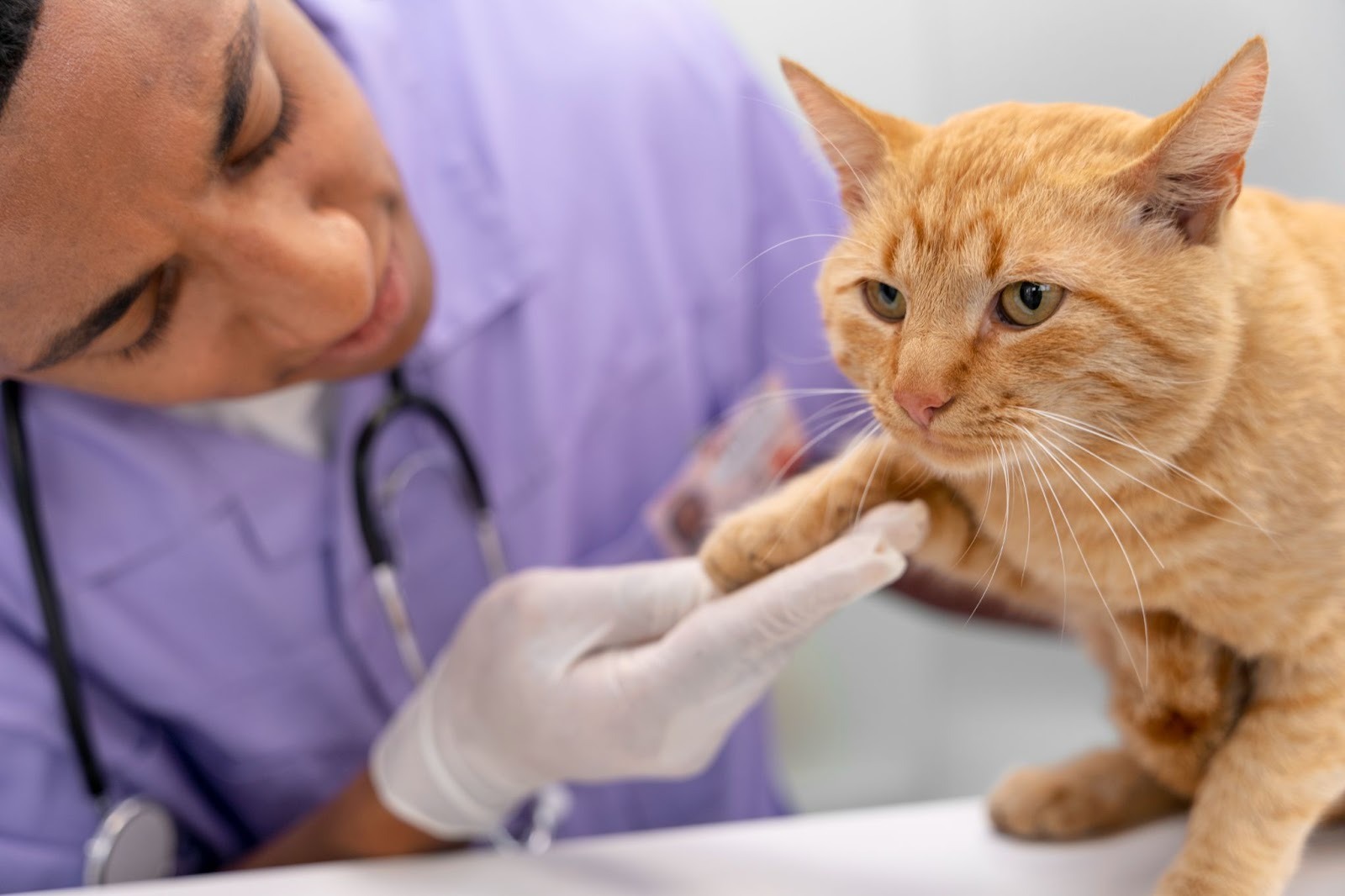
Cats are experts at hiding illness. By the time signs of cat diabetes appear, damage may be taking place.
Diabetes is one of the most common health issues seen in cats. It is particularly seen in overweight and indoor cats.
Only if cat diabetes symptoms are identified early can your cat be saved from having to take lifelong medication and suffering life-threatening complications.
In this guide, you will learn about cat diabetes, its types, the 10 early warning signs, and treatment options that matter to you.
What is Cat Diabetes?
Cat diabetes is a severe condition that affects how the cat uses sugar for energy.
In a healthy cat, insulin transfers sugar in the blood to the body’s cells. This sugar is then burned for fuel to power the cat.
In a diabetic cat, this doesn’t happen properly. The body either does not produce enough insulin or cannot use it effectively. As a result, sugar remains in the blood rather than going into cells.
When the cells do not receive enough energy, the body begins to break down fat and muscle in order to live.
Over time, it leads to weight loss and damage to key organs when untreated.
Types of Cat Diabetes
There are two types:
Type I
The pancreas lacks sufficient insulin secretion, and hence the treatment is insulin-dependent for the whole life.
Type II
The pancreas is producing insulin, but the body is not getting it right. In such cases, obesity and age are the main contributors to the risk of the disease.
10 Early Signs and Symptoms of Cat Diabetes
Here are 10 early cat diabetes symptoms you need to know:
- Drinks more water than usual: Your cat is always found at the water bowl
- Pees more often: You are noticing that the clumps of urine in the litter box get larger
- Loses weight but keeps eating: Your cat is eating well but losing weight
- Feels hungry all the time: Your cat keeps asking for food
- Looks tired and weak: Your cat is napping more or no longer wants to play
- Fur looks dull or dry: The coat will not look shiny and may develop flakes
- Walks flat on back legs: Your cat walks on its heels instead of its toes
- Throws up or feels sick: Your cat is either vomiting or looks distressed
- Acts differently than usual: Your cat may hide, become grouchy, or appear depressed
- Muscles look thinner: A weaker-looking body with regard to the legs and back of your cat
Treatment Options For this Condition
Treatment depends on your cat’s blood sugar level and the type of diabetes. Three common options are:
1. Insulin Shots
- Most cats need insulin
- Given under the skin, usually twice a day
- Keeps blood sugar under control
2. Diet Changes
- Low-carbohydrate, high-protein food
- Prescription diets may be suggested
- Feed at the same time every day
- Wet food is better than dry food
3. Oral Medicines
- Used in some cats only
- Comes as a liquid or tablet
- Helps remove extra sugar from the body
- Must be given under vet guidance
Conclusion
Cat diabetes often begins quietly. Many cats appear normal early on; this is one reason this condition is often overlooked.
If you see changes in your cat’s appetite, weight, or litter box habits, it is time to talk to your vet. A quick scan can provide peace of mind and protect your cat’s health.
We hope this guide helped you understand what cat diabetes is, its types, and the top 10 early cat diabetes symptoms, which you need to keep in mind when taking care of your cat.
Please watch this useful video for more details

