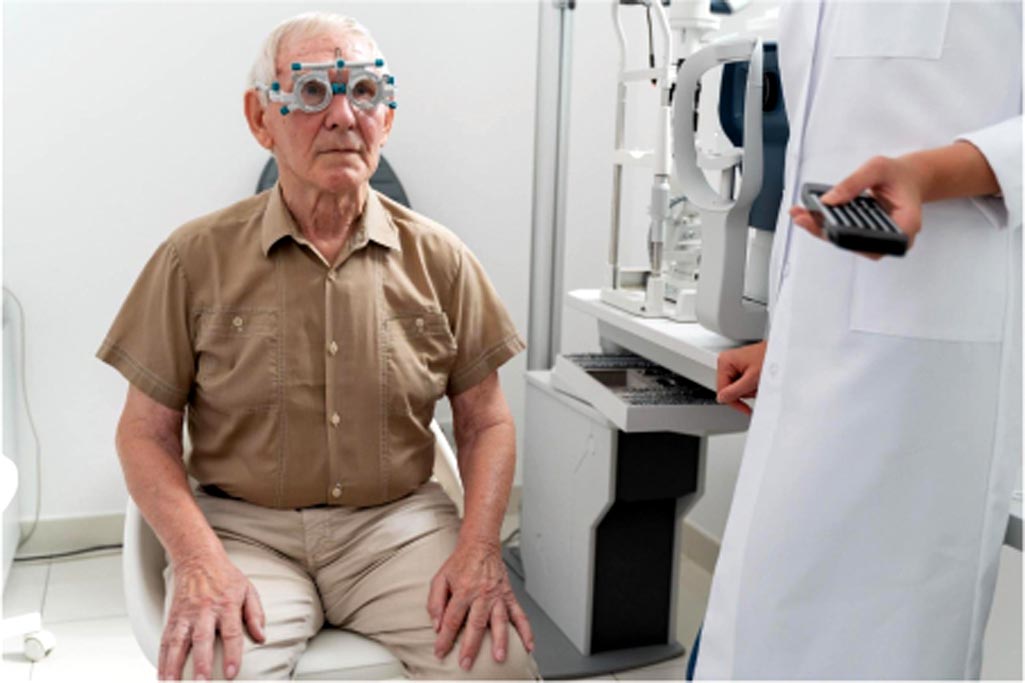
If your eye doctor has recommended that you have cataract surgery, it’s normal to be a bit nervous.
Vision is not something we take lightly. Even a small fuzziness around the edges can change how safely you move through your day.
Cataract is a common issue among older people. Its symptoms include cloudy vision and problems with daily activities. And the only permanent treatment is surgery.
If you are preparing for cataract surgery, the first question you could have in mind - what are the 3 types of cataract surgery and which one is right for your eyes?
In this article, you will learn what cataract surgery is, its 3 types, and the risks involved in it.
What Is Cataract Surgery?
Cataract surgery is a common and safe surgery that restores vision.
In this surgery, your eye’s cloudy natural lens is removed. Then, it was replaced with an artificial lens.
It often involved an ultrasound to break up the lens and suction it out via tiny incisions. This procedure is done under local anesthesia and usually does not need a hospital stay.
With a 90% success rate, most patients start seeing better within days.
3 Types of Cataract Surgery
Not all cataracts are the same. Some are mild. Some become very dense. This is why doctors use different surgical methods based on your eye condition.
There are 3 types of cataract surgery used today. Each one serves a specific purpose.
Let us look at them one by one.
1. Phacoemulsification Cataract Surgery
Phacoemulsification is a common cataract surgery. It uses ultrasound to break the cloudy lens and replace it with an artificial lens to restore sharp vision.
How is it done?
- Numbing eye drops are given
- The eye area is cleaned and covered
- A tiny opening is made in the clear part of the eye
- Ultrasound waves break the cloudy lens into small pieces
- These pieces are gently removed
- A foldable artificial lens is placed inside
- The small cut seals naturally in most cases
Who does it suit?
- People with mild to moderate cataracts
- Those who want a quick recovery
- People who prefer a small incision and minimal pain
Recovery time
- Many people notice clearer vision within one to two days
- Light daily work can begin in two to three days
- Full healing usually takes three to four weeks
Risks
- Temporary redness
- Mild swelling
- Light sensitivity
- Rare chance of infection
Post surgery care and precautions
- Use prescribed eye drops regularly
- Do not rub the eye
- Wear an eye shield while sleeping for a few nights
- Avoid swimming and heavy lifting for one to two weeks
- Attend all follow-up visits
This method offers fast healing and very little discomfort.
2. Extracapsular Cataract Extraction
Extracapsular Cataract Extraction is used when the cataract becomes very hard. The cloudy lens is removed in one piece through a larger opening. The back part of the capsule is kept to support the artificial lens.
How is it done?
- Local anesthesia is given
- A larger opening is made in the eye
- The cloudy lens is removed in one piece
- A clear artificial lens is placed inside
- The opening is closed with stitches
Who does it suit?
- People with very hard cataracts
- When phaco surgery is not safe for the eye
- Those who can allow more healing time
Recovery time
- Vision may start improving in one to two weeks
- Full healing can take six to eight weeks
Risks
- Mild swelling can happen
- Some redness is common in the early days
- Infection is rare
Post surgery care and precautions
- Use your drops as advised
- Do not bend or lift heavy items
- Keep dust and water away from your eyes
- Visit your doctor and get stitches checked
Healing is slower than phaco surgery. But it works well for advanced cataracts.
3. Intracapsular Cataract Extraction
Intracapsular Cataract Extraction is rarely used today. It removes the entire lens along with its capsule. It is chosen mainly for special medical situations such as severe eye injury or lens dislocation.
How is it done?
- Local or general anesthesia is given
- A large opening is made in the eye
- The full lens and capsule are removed
- A special artificial lens is placed
- The opening is closed with stitches
Who does it suit?
- Patients with serious eye trauma
- People with damaged or dislocated lenses
- Cases where other methods are not possible
Recovery time
- Vision improves slowly over several weeks
- More follow-up visits are needed
Risks
- Higher risk of retinal problems
- Longer healing period
- Risk of pressure rise in the eye
Post surgery care and precautions
- Follow the drop schedule strictly
- Avoid pressure on the eye
- Wear a protective shield while sleeping
- Report any sudden change in vision immediately
This method has slower healing and needs closer follow-up.
3 Types of Cataract Surgery: Quick Comparison
| Surgery Type | Incision Size | Recovery Speed | How Common It Is |
| Phacoemulsification | Very small | Fast | Most widely used |
| Extracapsular Extraction (ECCE) | Medium to large | Moderate | Used for hard cataracts |
| Intracapsular Extraction (ICCE) | Large | Slow | Rarely used today |
Conclusion
Cataracts do not just blur your vision. They take away your confidence, your independence, and your sense of physical ease in the world.
The good thing is, cataract surgery can fix all of that. The earlier you take care of cataracts, the smoother your recovery and the better the visual outcome.
Most of the time, waiting just means you have to deal with longer healing and more discomfort.
We hope this guide will help you understand what cataract surgery is, 3 types of cataract surgery, as well as some of the risks. Now it is your turn to talk with an eye specialist and choose the surgery that suits your eyes best.